Castle Green Buildings, Greenbank Road, Bristol, BS5 6HE 07516 373795
Fajr 2:27 4:30
Zuhr 1:13 1:45
Asar 6:38 7:45
Maghrib 9:15 9:15
Esha 10:22 10:40
NEXT JAMĀ'AH --:--:--

About

Est. 2008
Serving Easton
300+
Friday worshippers
100
Madrassah pupils
1040850
Registered charity
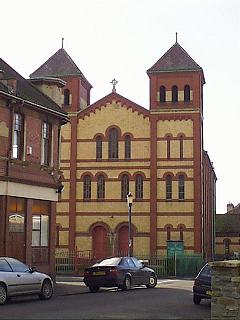
Greenbank Masjid exterior Greenbank Masjid tower Greenbank Masjid front

From Castle Green Chapel to Greenbank Masjid

The remarkable journey of one of Easton's most recognisable landmarks.

In the heart of Easton stands one of Bristol's most recognisable religious buildings, today known as Greenbank Masjid. With its striking red and yellow brickwork, twin towers and distinctive Romanesque design, many Bristolians still affectionately refer to it as the "Lego Church".

Behind the nickname lies a remarkable story of faith, migration, community and continuity that stretches back almost 400 years.

"Rather than standing empty or being converted into apartments, the old church continues to echo with prayer, learning and community activity."

The Origins — 1640

The story begins not in Easton, but in Bristol city centre. The original Castle Green Independent Chapel was founded around 1640, making it one of the oldest nonconformist congregations in the city. At a time when England was experiencing deep religious tensions, independent congregations such as this represented communities seeking freedom outside the established Church of England.

For centuries, the congregation worshipped near Bristol Castle in what is now Castle Park. By the turn of the twentieth century, Bristol was rapidly expanding eastwards as industry and housing developments transformed the city. Like many families of the time, the congregation gradually moved towards Eastville and Greenbank.
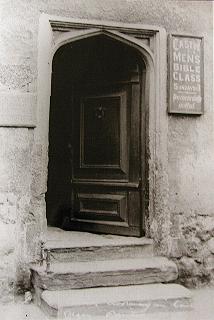
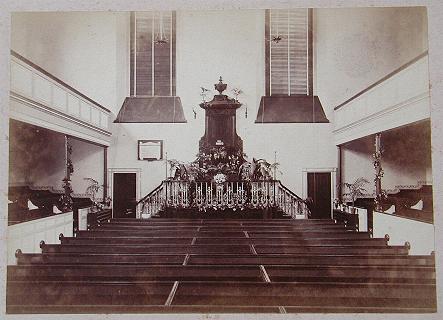
Original Castle Green Chapel
The original Castle Green Chapel, Bristol city centre
Interior of original Castle Green Chapel
Interior of the original chapel showing the preserved ironwork
East end of original Castle Green Chapel
The east end of the original Castle Green Chapel

A New Building — 1902

In 1902, a magnificent new church was built on Greenbank Road. The building was designed by Bristol architect Frank Wills, who chose a style very different from the Gothic churches commonly seen during the Victorian era. Instead, he created a bold Romanesque Revival structure inspired by continental European architecture, complete with broad arches, layered brickwork and compact towers.

Constructed from pale yellow brick with vivid red detailing, the building quickly became a local landmark. Inside, the church reportedly seated around 800 worshippers, with galleries surrounding the main sanctuary. It became far more than simply a place of worship — a centre for community life, education, gatherings and support for local families over generations.

A New Chapter — 2008

Over the course of the twentieth century, the religious landscape of Britain changed dramatically. Congregations across many traditional churches declined, especially within inner-city areas. After years of falling attendance, the final service at Castle Green United Reformed Church took place in September 2008.

At the same time, Easton's Muslim community was continuing to grow. Families from South Asia, Africa and the Middle East had made Bristol their home over several decades, bringing with them new traditions, languages and institutions. The need for a larger community space had become increasingly urgent.

The building was purchased by the Easton Islami Darasgah and transformed into what is now Greenbank Masjid. In many ways, the transition felt fitting rather than surprising. Although the faith tradition changed, the building continued serving the same essential purpose it had fulfilled for over a century: bringing people together in worship, learning and community service.

A Timeline
~1640
Castle Green Independent Chapel founded in Bristol city centre — one of the oldest nonconformist congregations in the city
1902
New church built on Greenbank Road, designed by Frank Wills in Romanesque Revival style with striking yellow and red brickwork
2008
Final service held at Castle Green United Reformed Church. Building purchased by Easton Islami Darasgah and transformed into Greenbank Masjid
Today
300+ Friday worshippers, 100-pupil madrassah, active welfare programmes and community services serving Easton and beyond

A Masjid at the Heart of the Community

Today, Greenbank Masjid is one of Bristol's busiest mosques and community centres. More than 300 worshippers regularly attend Friday prayers, while its madrassah provides Islamic education to around 100 children and young people.

The masjid operates under the charity Easton Islami Darasgah, which was established to advance the Islamic faith while also supporting the wider public through education, welfare and community development.

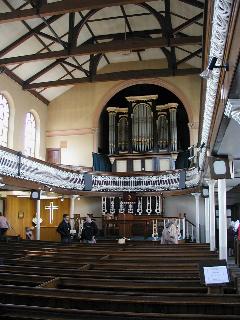
Greenbank Masjid main prayer hall
The main prayer hall — carpeted for five daily prayers and Jumu'ah
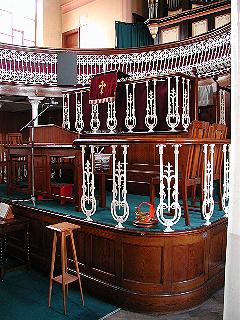
Greenbank Masjid upper gallery
The upper gallery — the original 1902 arched church windows remain intact

The building retains many features from its 1902 construction — most strikingly the beautiful arched windows in the upper gallery, now providing light for worshippers during prayer. The main prayer hall can accommodate hundreds of worshippers, and during Jumu'ah and special occasions such as Eid, both floors are filled.

Wudhu facilities at Greenbank Masjid
Wudhu (ablution) facilities — accessible and well-maintained for the community

Modern facilities including accessible wudhu areas have been added to serve the community, while carefully preserving the character of the historic building.

Over the years, Greenbank Masjid has grown into far more than a place of worship. It has become a vital hub for local families, providing:

  • Spiritual guidance and five daily prayers including Jumu'ah
  • Islamic education for children and adults through the madrassah and study circles
  • Welfare support including food initiatives, Zakat distribution and emergency appeals
  • Community events, open days and family programmes during Ramadan and beyond
  • A dedicated women's advisory committee shaping the direction of the masjid
"Its walls have witnessed Victorian congregationalists, wartime Bristol, post-war migration and now a thriving twenty-first century Muslim community. Few buildings capture the evolving story of Bristol so vividly."

Preserving a Living Landmark

There is something profoundly Bristolian about the building's journey. The congregation that once moved from Castle Green to Easton was itself responding to demographic change and migration within the city. A century later, another community, many with roots thousands of miles away, breathed new life into the same building.

Perhaps that is the real significance of Greenbank Masjid — not simply that a church became a mosque, but that a historic community building remained exactly what it was always intended to be: a place of faith, refuge, gathering and service for the people of Bristol.

Greenbank Masjid is operated by Easton Islami Darasgah, registered charity no. 1040850.

Visit Us

We welcome visitors, school groups and anyone curious to learn more about our community.

Plan your visit → Our services →

About

Est. 2008
Serving Easton
300+
Friday worshippers
100
Madrassah pupils
1040850
Registered charity
Greenbank Masjid exterior Greenbank Masjid tower Greenbank Masjid front

From Castle Green Chapel to Greenbank Masjid

The remarkable journey of one of Easton's most recognisable landmarks.

In the heart of Easton stands one of Bristol's most recognisable religious buildings, today known as Greenbank Masjid. With its striking red and yellow brickwork, twin towers and distinctive Romanesque design, many Bristolians still affectionately refer to it as the "Lego Church".

Behind the nickname lies a remarkable story of faith, migration, community and continuity that stretches back almost 400 years.

"Rather than standing empty or being converted into apartments, the old church continues to echo with prayer, learning and community activity."

The Origins — 1640

The story begins not in Easton, but in Bristol city centre. The original Castle Green Independent Chapel was founded around 1640, making it one of the oldest nonconformist congregations in the city. At a time when England was experiencing deep religious tensions, independent congregations such as this represented communities seeking freedom outside the established Church of England.

For centuries, the congregation worshipped near Bristol Castle in what is now Castle Park. By the turn of the twentieth century, Bristol was rapidly expanding eastwards as industry and housing developments transformed the city. Like many families of the time, the congregation gradually moved towards Eastville and Greenbank.
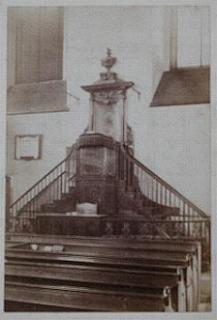
Original Castle Green Chapel
The original Castle Green Chapel, Bristol city centre
Interior of original Castle Green Chapel
Interior of the original chapel showing the preserved ironwork
East end of original Castle Green Chapel
The east end of the original Castle Green Chapel

A New Building — 1902

In 1902, a magnificent new church was built on Greenbank Road. The building was designed by Bristol architect Frank Wills, who chose a style very different from the Gothic churches commonly seen during the Victorian era. Instead, he created a bold Romanesque Revival structure inspired by continental European architecture, complete with broad arches, layered brickwork and compact towers.

Constructed from pale yellow brick with vivid red detailing, the building quickly became a local landmark. Inside, the church reportedly seated around 800 worshippers, with galleries surrounding the main sanctuary. It became far more than simply a place of worship — a centre for community life, education, gatherings and support for local families over generations.

A New Chapter — 2008

Over the course of the twentieth century, the religious landscape of Britain changed dramatically. Congregations across many traditional churches declined, especially within inner-city areas. After years of falling attendance, the final service at Castle Green United Reformed Church took place in September 2008.

At the same time, Easton's Muslim community was continuing to grow. Families from South Asia, Africa and the Middle East had made Bristol their home over several decades, bringing with them new traditions, languages and institutions. The need for a larger community space had become increasingly urgent.

The building was purchased by the Easton Islami Darasgah and transformed into what is now Greenbank Masjid. In many ways, the transition felt fitting rather than surprising. Although the faith tradition changed, the building continued serving the same essential purpose it had fulfilled for over a century: bringing people together in worship, learning and community service.

A Timeline
~1640
Castle Green Independent Chapel founded in Bristol city centre — one of the oldest nonconformist congregations in the city
1902
New church built on Greenbank Road, designed by Frank Wills in Romanesque Revival style with striking yellow and red brickwork
2008
Final service held at Castle Green United Reformed Church. Building purchased by Easton Islami Darasgah and transformed into Greenbank Masjid
Today
300+ Friday worshippers, 100-pupil madrassah, active welfare programmes and community services serving Easton and beyond

A Masjid at the Heart of the Community

Today, Greenbank Masjid is one of Bristol's busiest mosques and community centres. More than 300 worshippers regularly attend Friday prayers, while its madrassah provides Islamic education to around 100 children and young people.

The masjid operates under the charity Easton Islami Darasgah, which was established to advance the Islamic faith while also supporting the wider public through education, welfare and community development.
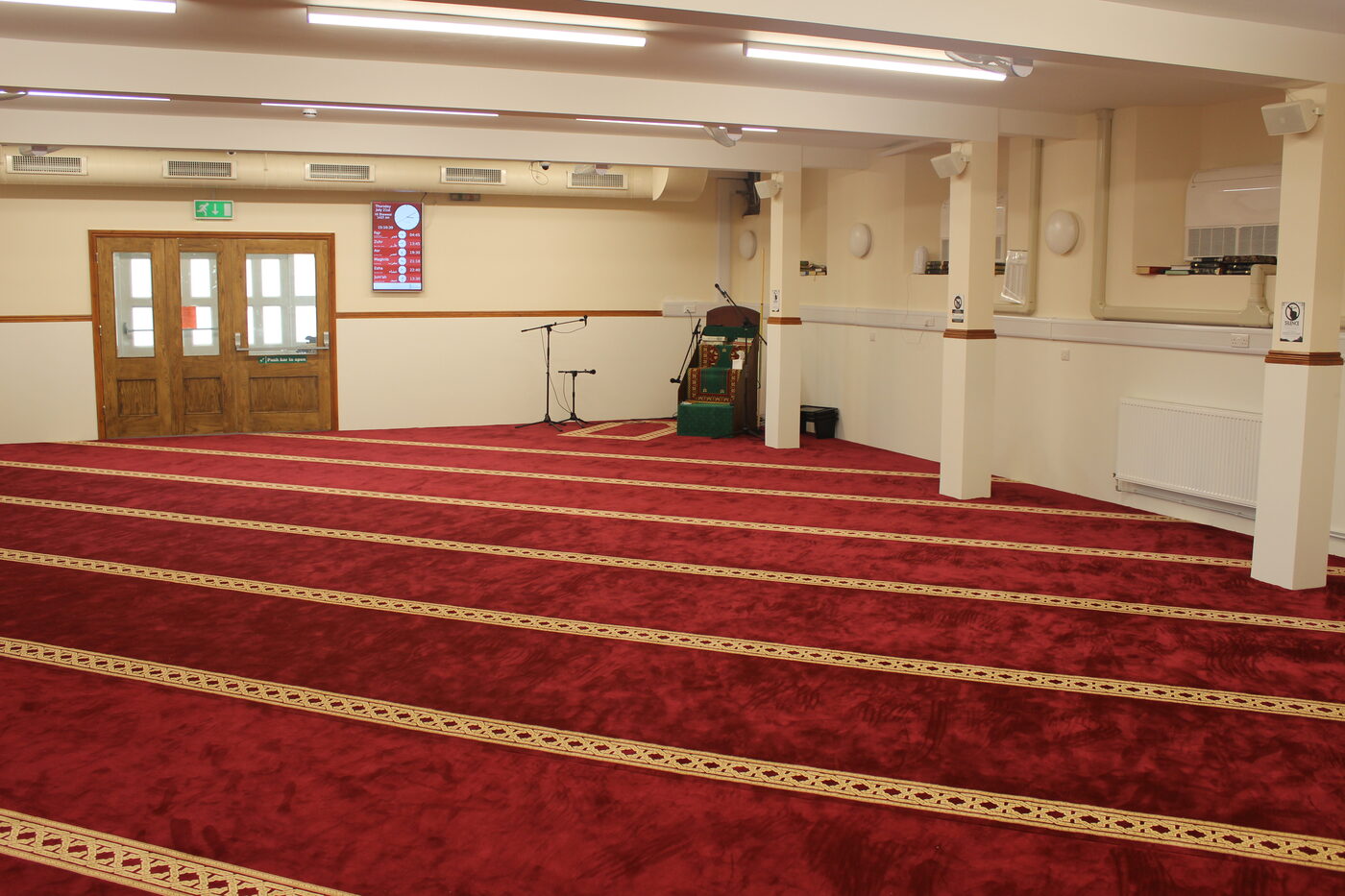
Greenbank Masjid main prayer hall
The main prayer hall — carpeted for five daily prayers and Jumu'ah
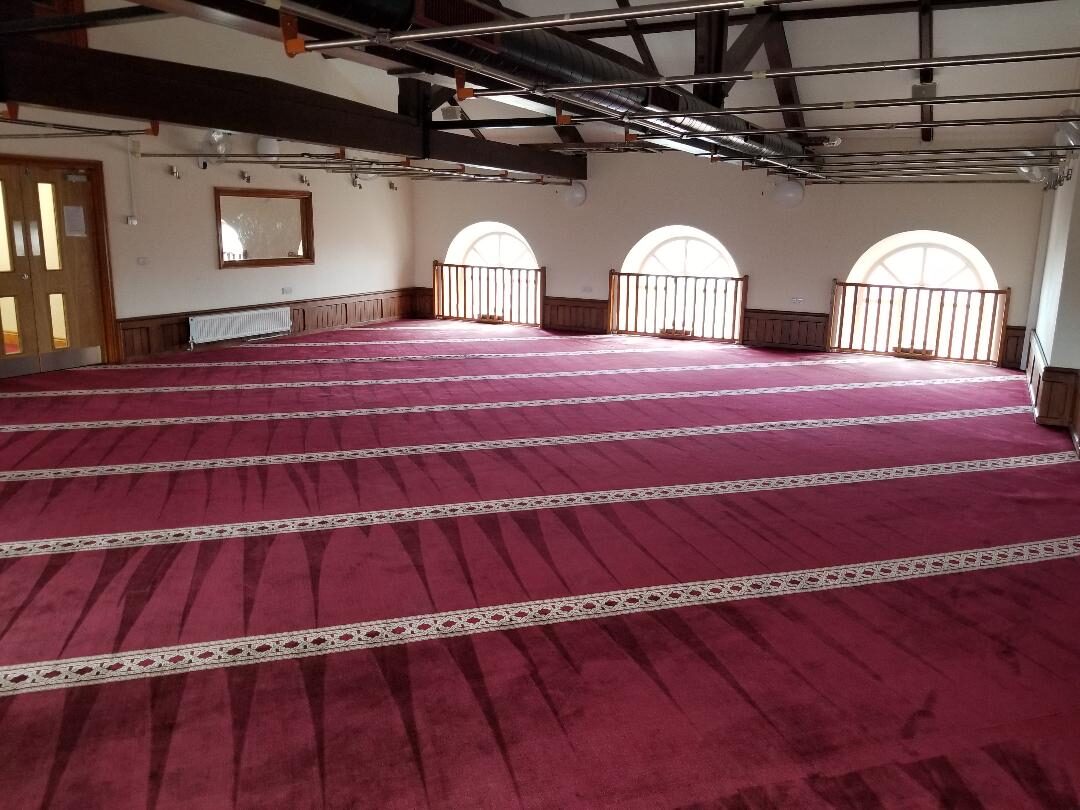
Greenbank Masjid upper gallery
The upper gallery — the original 1902 arched church windows remain intact

The building retains many features from its 1902 construction — most strikingly the beautiful arched windows in the upper gallery, now providing light for worshippers during prayer. The main prayer hall can accommodate hundreds of worshippers, and during Jumu'ah and special occasions such as Eid, both floors are filled.
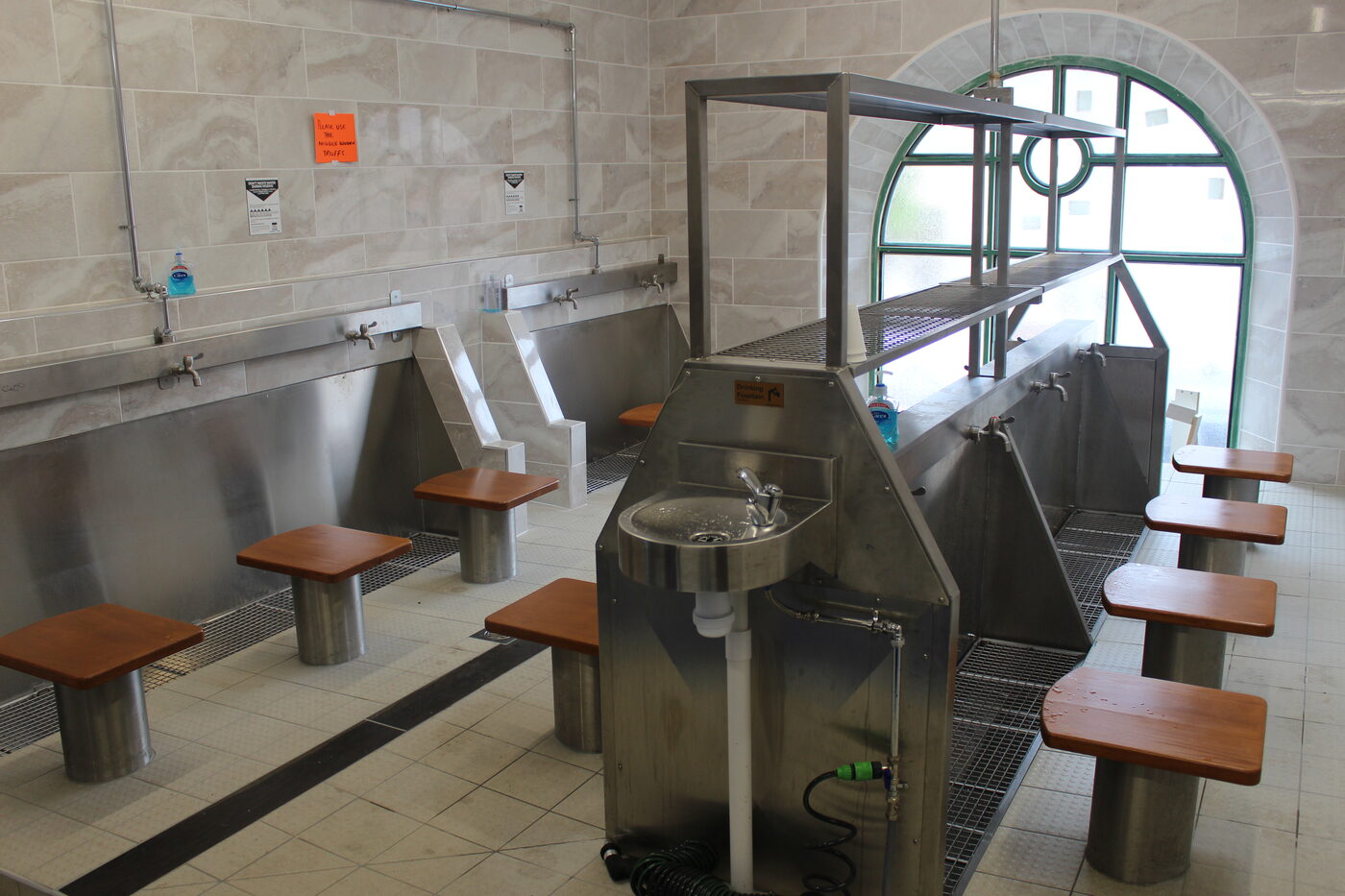
Wudhu facilities at Greenbank Masjid
Wudhu (ablution) facilities — accessible and well-maintained for the community

Modern facilities including accessible wudhu areas have been added to serve the community, while carefully preserving the character of the historic building.

Over the years, Greenbank Masjid has grown into far more than a place of worship. It has become a vital hub for local families, providing:

  • Spiritual guidance and five daily prayers including Jumu'ah
  • Islamic education for children and adults through the madrassah and study circles
  • Welfare support including food initiatives, Zakat distribution and emergency appeals
  • Community events, open days and family programmes during Ramadan and beyond
  • A dedicated women's advisory committee shaping the direction of the masjid
"Its walls have witnessed Victorian congregationalists, wartime Bristol, post-war migration and now a thriving twenty-first century Muslim community. Few buildings capture the evolving story of Bristol so vividly."

Preserving a Living Landmark

There is something profoundly Bristolian about the building's journey. The congregation that once moved from Castle Green to Easton was itself responding to demographic change and migration within the city. A century later, another community, many with roots thousands of miles away, breathed new life into the same building.

Perhaps that is the real significance of Greenbank Masjid — not simply that a church became a mosque, but that a historic community building remained exactly what it was always intended to be: a place of faith, refuge, gathering and service for the people of Bristol.

Greenbank Masjid is operated by Easton Islami Darasgah, registered charity no. 1040850.

Visit Us

We welcome visitors, school groups and anyone curious to learn more about our community.

Plan your visit → Our services →